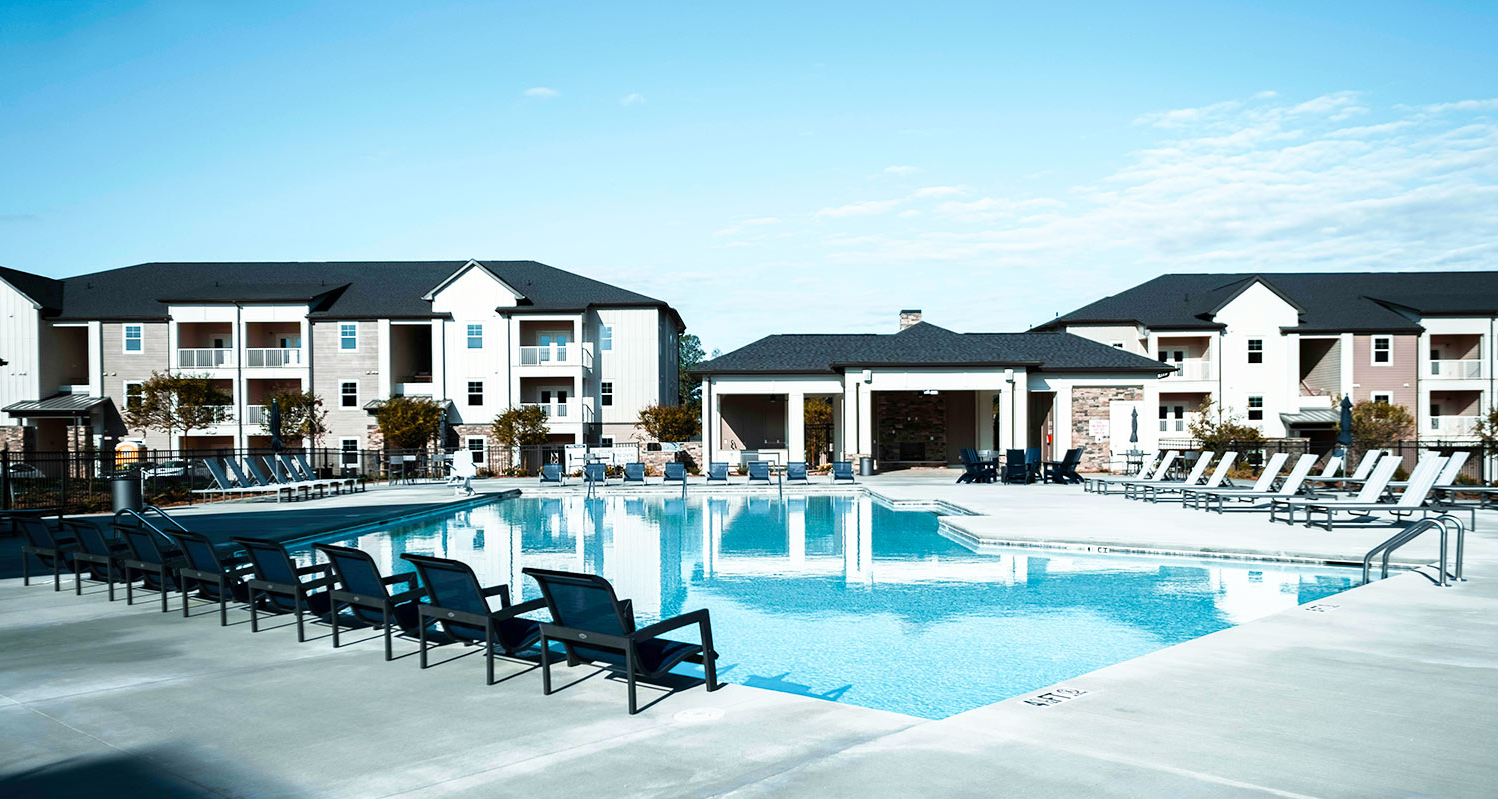
We have achieved superior risk-adjusted returns being patient and disciplined investors, sometimes going years between making investments. Most of our competitors raise large funds, which pressures them to put money to work in less-than-ideal conditions. We believe in buying apartment communities one at a time, when the situation creates an advantage.
The partners at Tiger Capital are typically the largest investors in each investment, creating an alignment of interests between us and our equity partners.

Matt Fritter is the President and Founding Partner of Tiger Capital Investment and American Residential Investment Management. Matt grew up in Raleigh, NC, graduating from Broughton High School and North Carolina State University.
After several years in the commercial real estate industry, using the capital that he made through brokerage, Matt began to buy and sell apartment communities for his personal investment portfolio. In 2006, Matt founded what would become American Residential and shifted his focus from brokerage to the investment in and management of multi-family properties. In 2024, Matt founded Tiger Capital, to build upon this foundation, and expand his investors footprint throughout the Southeast.
As of 2026 Matt has been the sponsor of over 30 multi-family transactions totaling nearly $1 Billion in volume. All transactions have been profitable, with a median IRR of over 26% per year.
“Insisting on attractive pricing on each purchase, implementing aggressive, hands-on management strategies and making a positive impact on the lives of our residents are the fundamental values that make Tiger Capital successful.” -Matthew C. Fritter
1. Passive Income that is Significant and Tax Efficient
We provide monthly distributions, offering Investors steady income with significant tax advantages through depreciation that defers tax liability. For example, a 7% dividend paid by a real estate investment is the tax equivalent of an 11% bond yield, for investors in the top tax bracket.
2. Low Risk, Low Volatility
Multifamily properties provide steady, predictable income from multiple tenants, cushioning against vacancies. This built-in diversification reduces risk and outperforms single-family rentals and other types of commercial properties, delivering strong risk-adjusted returns, resilient occupancy in downturns, and lower volatility – ideal for passive income streams.
3. Long-Term Appreciation
Through strategic renovations and management, we are able to raise rents and our Net Operating Income, driving substantial property value growth. As a tangible hard asset, multifamily real estate naturally hedges against inflation. Rents typically rise with (or ahead of) inflation, fixed-rate debt becomes cheaper in real terms, and housing demand remains resilient. The long-term trend of the dollar is downward due to persistent inflation drive by government spending and money supply growth. According to CPI data, the US dollar has lost over 50% of its purchasing power since 2000 – meaning $1 in 2000 buys roughly what $0.50 does today. Neither side of the political aisle has shown consistent resolve to reverse this trajectory, and with ongoing fiscal expansion, above average inflation appears likely to persist. In this environment, proven inflation hedges like apartments are essential for wealth protection and growth.
4. Focus on High-Growth Markets
Our primary markets rank among the top U.S. states for population and job growth. Based on 2024-2025 per capita US Census Bureau and BLS data, our primary markets were ranked as follows: #1 South Carolina, #3 North Carolina, #6 Florida, #12 Georgia, #13 Montana
5. Housing Affordability Challenges
Soaring home prices, larger down payments, rising insurance, and property taxes make ownership increasingly unattainable for many Americans—especially younger and middle-income households. This sustains strong, inelastic demand for rentals, ensuring high occupancy and reliable cash flow even in tough economies. Multifamily benefits directly from these headwinds, reinforcing its appeal as a stable investment for many years to come.
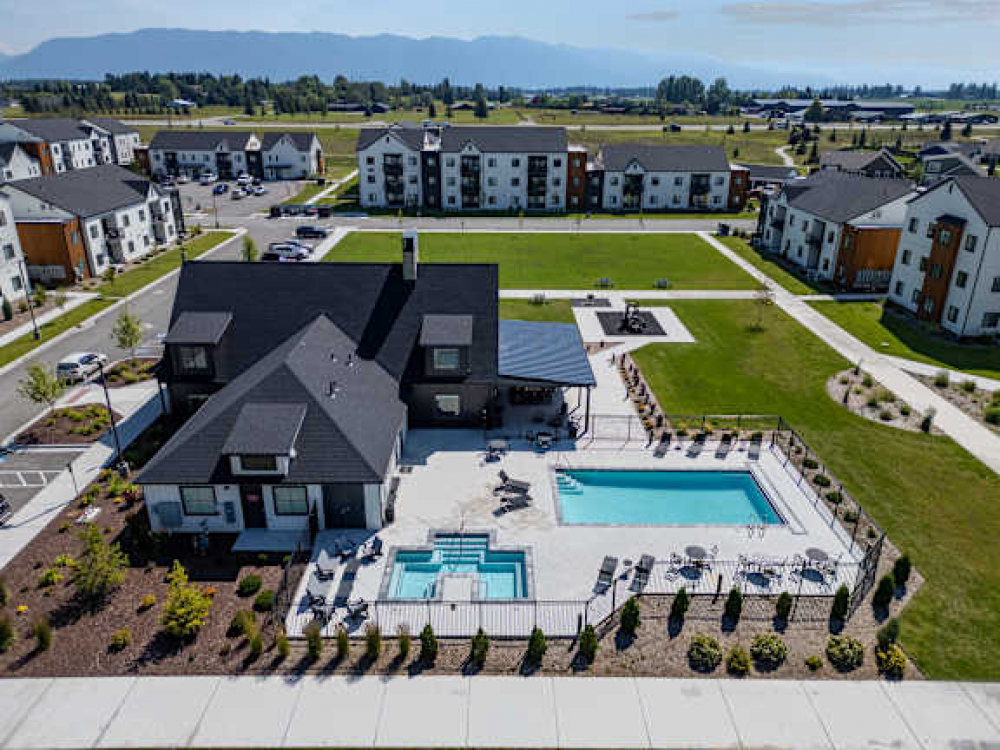
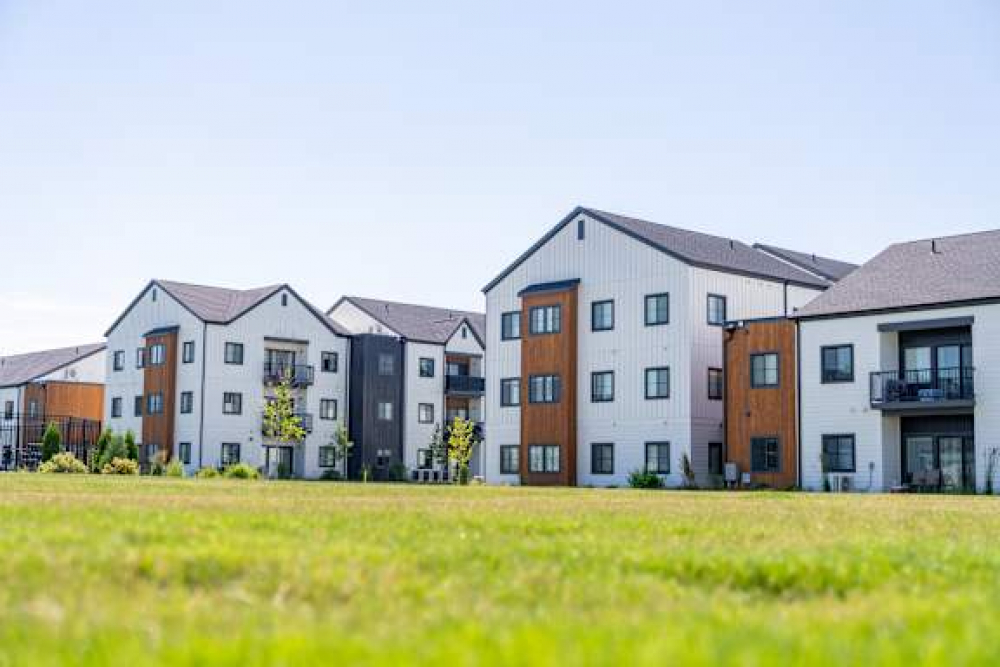
Multifamily values peaked in 2021–2022 due to historically low interest rates. Cap rate compression drove record valuations, with many buyers using short-term floating-rate debt instead of long-term fixed financing.
Today, interest rates have more than doubled, leaving many owners unable to service debt or meet return expectations. A large wave of loan maturities over the next one to two years is pressuring leveraged owners—many underwater—eventually forcing assets back to market at discounted prices.
At the same time, fundamentals are improving. Job and population growth in our target markets will drive absorption, while sharply reduced new supply limits competition. These dynamics support accelerating rent growth and stronger cash flows.
This alignment of motivated sellers and strengthening fundamentals creates a compelling opportunity for well-capitalized investors to acquire high-quality assets at below-replacement-cost valuations.
Rationale for Initiating Development Now
Multifamily construction starts have declined sharply, with the development pipeline now well below pre-pandemic levels, setting the stage for supply shortages in many markets by 2027–2029.
Accordingly, we view the current environment as an opportune time to commence construction on projects slated for delivery in the next 2–4 years. This strategic timing will enable us to introduce new inventory during a period of limited competitive supply, positioning these assets to benefit from tightening market conditions and enhanced pricing power.

Partner

Partner

Partner
Director of Construction
